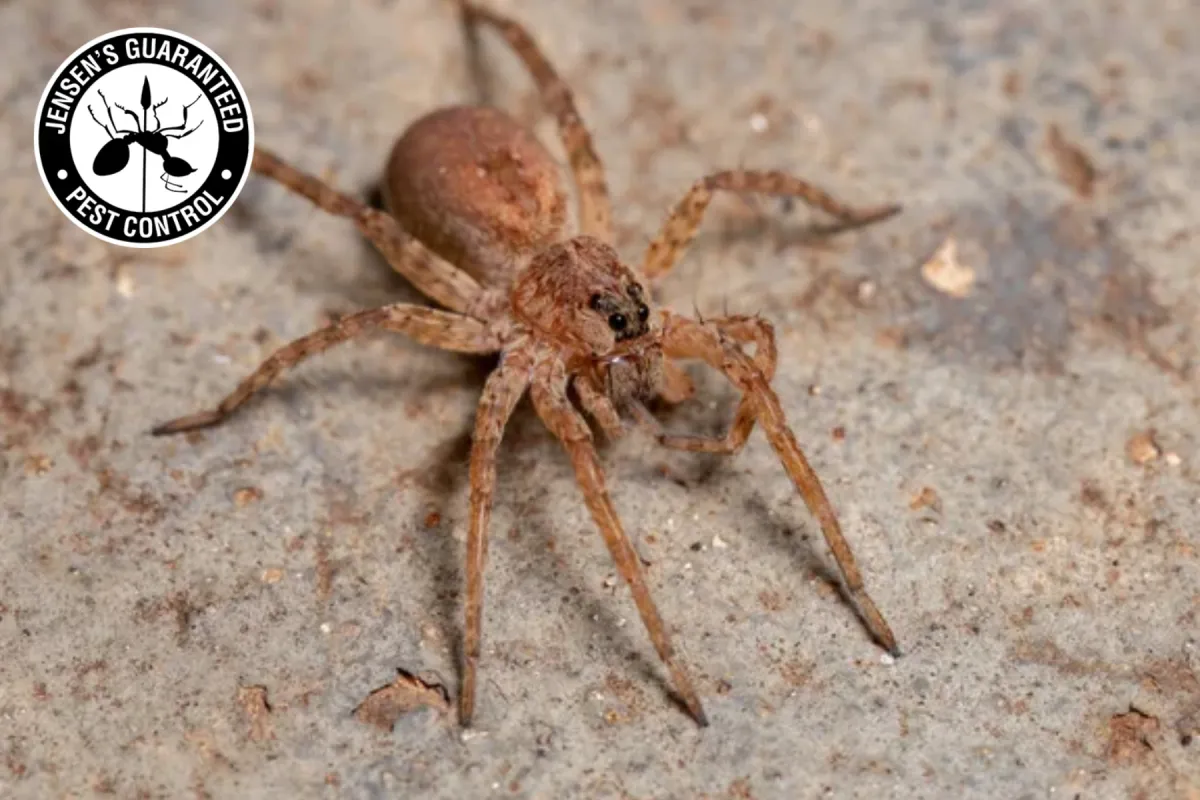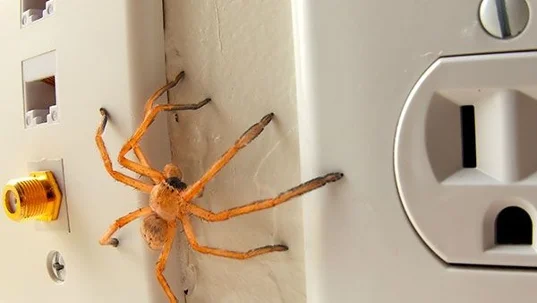

Yes, professional spider control can help reduce spider activity and address areas where spiders build webs and leave egg sacs. A proper treatment plan looks beyond visible spiders by identifying hiding areas, food sources, nesting grounds, and entry points that may support recurring activity.
Can Spider Control Reduce Spider Egg Sacs?
Finding a spider egg sac can be a sign that spiders are using an area of your property for shelter or reproduction. Removing the sac may take care of what you can see, but it does not necessarily address the spiders or conditions that caused it to appear.
Professional Farmington pest control treatment takes a broader approach. Instead of focusing only on individual spiders or webs, the process can identify areas where spiders hide, hunt, and reproduce. This can help address the activity behind recurring egg sacs.
For homeowners in Farmington, this can be especially useful when egg sacs or webs keep appearing in garages, basements, crawl spaces, or around exterior areas. Repeated signs may point to activity that needs a closer inspection.
What Are Spider Egg Sacs?
A spider egg sac is a protective structure that contains spider eggs. Their size, shape, and location can vary depending on the spider species.
| Term | Definition |
| Spider egg sac | A protective structure that holds spider eggs |
| Spiderlings | Young spiders that emerge from eggs |
| Webbing | Silk structures used for shelter, reproduction, or catching prey |
| Harborage | A protected area where spiders can hide and remain undisturbed |
An egg sac represents a different stage of spider activity than an adult spider. That is why finding several sacs can be a reason to look beyond simple spider removal.
How Does Spider Control Address Egg Sacs and Future Activity?
A professional treatment plan considers where spiders are active and what may be allowing them to remain around the property.
1. Inspect Areas With Spider Activity
The process starts with a detailed inspection. A trained professional can look for spider hotspots, nesting areas, webs, and potential entry points.
Jensen’s Guaranteed Pest Control specifically inspects areas such as basements, attics, crawl spaces, garages, window frames, exterior eaves, and other common spider habitats. The inspection can also identify other pests that may be providing a food source for spiders.
2. Identify Conditions Supporting Spider Activity
Spiders enter properties in search of food, shelter, and protected areas where they can reproduce. An increase in spider activity can sometimes point to other insect activity nearby.
Identifying those conditions gives the treatment plan more direction. Instead of treating only the spider that happens to be visible, the team can focus on the areas supporting the activity.
3. Develop a Customized Treatment Plan
Each property can have different spider hotspots and entry points. Based on the inspection, Jensen’s Guaranteed Pest Control develops a customized treatment plan for the specific conditions found.
Treatment can focus on cracks, crevices, nesting areas, and other locations where spiders live and breed.
4. Apply Treatment to Key Areas
Targeted applications are used in the areas identified during the inspection. The goal is to address active spider locations rather than treating the entire property without considering where the problem is occurring.
This approach also allows the treatment to account for both interior and exterior activity.
5. Create a Protective Exterior Barrier
Exterior treatment is an important part of the process because spiders can enter from outside. Jensen’s Guaranteed Pest Control uses exterior treatment to create a powerful barrier around the property.
This protective barrier is designed to help limit opportunities for spiders to enter and establish new activity indoors.
Why Do Spider Egg Sacs Keep Appearing After You Remove Them?
Removing an egg sac does not necessarily remove the conditions that allowed spiders to establish activity in that area. If shelter, food sources, and entry points remain available, spiders may continue using the same parts of the property.
For example, a homeowner may remove an egg sac from a garage and later find another one in the same area. The new sac does not necessarily mean the original one was overlooked. It may indicate that spiders continue to find the garage suitable for shelter and reproduction.
The same pattern can occur around windows, eaves, storage areas, basements, and crawl spaces. Repeated webs and egg sacs are useful signs that the property may need a closer inspection.
Where Are Spider Egg Sacs Commonly Found?
Spider egg sacs can appear in protected areas where spiders are less likely to be disturbed. Common locations include:
- Corners and cracks
- Garages and storage areas
- Around windows and doors
- Exterior eaves
- Basements and crawl spaces
- Areas behind or beneath stored items
These locations can also make spider activity easy to miss. A quick look around the main living areas may not reveal what is happening in less-used parts of the property.
Spider Control vs. Simply Removing Egg Sacs
The main difference is coverage. Removing an egg sac deals with one visible sign of spider activity, while a broader spider control plan considers the property, hiding areas, food sources, nesting grounds, and entry points.
| Approach | What It Addresses | What It May Miss |
| Remove visible egg sacs | Individual egg sacs | Other spiders and activity areas |
| Remove webs | Visible webbing | Conditions that allow spiders to return |
| DIY spot treatment | Specific areas | Hidden or recurring activity |
| Professional spider control | Current activity and contributing conditions | May require follow-up based on property conditions |
This difference matters when webs and egg sacs continue appearing. Removing visible signs can improve the appearance of an area, but it does not necessarily address the reason spiders keep using that area.
What Causes Recurring Spider Activity?
Several conditions can make a property more attractive to spiders.
Food Sources
Spiders feed on other insects, including flies, ants, and crickets. When these pests are active around a property, they can provide spiders with a steady food source.
Outdoor areas with insect activity may therefore experience more spider activity as spiders follow available prey.
Hiding and Shelter Areas
Spiders look for protected spaces where they can remain undisturbed. Clutter, cracks, storage areas, garages, crawl spaces, and other sheltered locations can provide suitable hiding places.
Entry Points
Spiders can enter through openings around windows, doors, and other parts of a structure. Identifying these areas can help explain why activity continues indoors.
Nesting and Hunting Grounds
Webs and egg sacs may appear where spiders have found suitable conditions for hunting and reproduction. These areas deserve attention when activity becomes recurring.
How Long Does It Take for Spider Control to Reduce Activity?
The timeline can vary depending on the level of spider activity, the property’s conditions, and the areas that require treatment. A homeowner may still notice individual spiders or existing webs after treatment.
Existing egg sacs may also remain until they are removed or naturally break down. Seeing an occasional spider does not automatically mean treatment has failed.
However, continued activity across multiple areas can be useful information for a professional. It may indicate that additional treatment or prevention steps should be considered.
For homeowners researching pest control in Farmington, UT, understanding this process can help set realistic expectations. Spider management involves addressing current activity while also considering the conditions that can contribute to future activity.
Applying Our Proven, Systematic Process to Solve This
Jensen’s Guaranteed Pest Control is a family-owned business that uses a specialized service process built around inspection, customized treatment, and prevention.
Our specialized service begins with a detailed inspection of the property. Our team checks basements, attics, crawl spaces, garages, window frames, exterior eaves, and other areas where spiders may hide, nest, or hunt. We also look for other pests that may be attracting spiders.
From those findings, our company creates a strategic plan based on the property’s specific conditions. This means treatment can focus on identified spider hotspots, cracks, crevices, nesting areas, and other locations where activity is occurring.
The process also includes exterior treatment that creates a powerful protective barrier around the property. This barrier is designed to help stop spiders before they enter and establish new activity indoors.
Our proven, systematic process brings these steps together: inspect the property, identify spider activity and contributing conditions, develop a customized plan, apply treatment to key areas, and establish exterior protection.
This approach gives homeowners a clearer path when removing spiders and webs alone has not stopped recurring activity.
Common Spider Control Misconceptions
Myth: “If You Remove Every Spider and Web You See, the Problem Is Solved.”
Removing visible spiders and webs can address what is immediately in front of you, but it does not necessarily address other spiders, egg sacs, food sources, or hiding areas.
Jensen’s Guaranteed Pest Control takes a broader approach by looking for the conditions that allow spiders to remain on the property. That can include other pest activity, nesting grounds, shelter, and entry points.
Myth: “If You Do Not See Spiders, There Is No Spider Activity.”
Spiders can remain in less visible parts of a property. Egg sacs, webs, and repeated activity in the same areas can provide clues even when adult spiders are rarely seen.
When Should You Consider Professional Spider Control?
Professional service may be worth considering when spider activity becomes a recurring problem rather than an occasional sighting.
Consider an inspection if:
- You repeatedly find spider webs in the same areas.
- You discover multiple egg sacs.
- Spiders continue appearing after DIY treatment.
- Activity occurs in several parts of the property.
- You regularly find spiders indoors.
- Activity is concentrated around doors, windows, garages, or other entry points.
- You cannot determine why spiders keep returning.
If you are comparing pest control in Farmington, look at what the service actually includes. An inspection, customized treatment plan, and exterior barrier can provide a more complete approach than simply removing visible spiders.
What Should You Expect From Professional Spider Control?
A professional service should start with an inspection rather than applying the same treatment to every property.
Jensen’s Guaranteed Pest Control examines interior and exterior areas where spiders may be active. This includes basements, attics, crawl spaces, garages, window frames, eaves, and other potential spider habitats.
The inspection helps identify spider hotspots, nesting areas, entry points, and other pests that may be attracting spiders. Those findings guide the customized treatment plan.
Treatment is then applied to key areas based on the property’s needs. Exterior treatment can also create a protective barrier designed to help prevent spiders from entering and establishing new activity.
Clear communication remains part of the process. Homeowners should understand what was identified, where treatment was applied, and what prevention steps may be appropriate.

People Also Ask
Can professional spider control get rid of spider egg sacs?
Professional spider control can address areas where spiders are active and help manage conditions that support recurring activity. Visible egg sacs may still need to be physically removed depending on where they are found.
Does killing spiders prevent new egg sacs?
Not necessarily. Removing individual spiders does not address every spider or existing egg sac on a property. A broader treatment plan can address activity areas and conditions that may support continued spider presence.
Why do I keep finding spider egg sacs in my home?
Repeated egg sacs can indicate that spiders continue finding suitable shelter and food around the property. Garages, basements, crawl spaces, storage areas, and exterior structures can all provide places for recurring activity.
How often should spider control be performed?
The right service frequency depends on the property’s activity level and conditions. An inspection can help determine whether a one-time treatment or ongoing prevention is more appropriate.
Is removing spider webs enough to prevent spiders from coming back?
No. Removing webs addresses visible webbing but does not necessarily address hiding areas, food sources, nesting grounds, or entry points that can support continued spider activity.
Take Control of Recurring Spider Activity
Spider egg sacs can be a sign that spiders have found suitable places to shelter and reproduce. Removing individual sacs and webs may address what you can see, but recurring activity calls for a closer look at the property and the conditions supporting it.
Jensen’s Guaranteed Pest Control combines a detailed inspection, customized treatment plan, targeted applications, and exterior barrier protection. Our team can identify spider hotspots and other conditions that may be contributing to recurring activity.
If you are dealing with recurring spiders or finding new egg sacs around your property, contact us today for a quote or consultation. Our team will explain what we find, recommend the appropriate next steps, and provide a straightforward approach to managing spider activity.