
You may need lawn pest control before visible grass damage appears if you notice unusual insect activity, loose turf, disturbed soil, or birds repeatedly feeding in the same areas. These signs may point to pests feeding on grass roots or blades, so inspecting the lawn early can help identify a problem before it causes widespread damage.
What Early Warning Signs Suggest Lawn Pest Control May Be Needed?
Some lawn pests remain hidden in the soil or thatch while feeding on grass roots and blades. By the time brown patches appear, the infestation may already have affected a larger area. Recognizing early warning signs can help homeowners determine when their lawns need a closer inspection.
Increased Insect Activity Around the Lawn
An unusual increase in insects may indicate seasonal activity or a nearby breeding area. Some adult insects are attracted to outdoor lights, while others become more active around grass during certain times of the year.
Look for repeated insect activity in the same areas or insects that appear alongside other changes in the lawn. A few insects do not automatically indicate an infestation, but unusual activity combined with other warning signs may justify further inspection.
Grass That Feels Loose or Spongy
Grass that lifts easily from the soil may have weakened roots. Root-feeding pests, including certain grubs, can damage the roots that help keep turf firmly in place.
Carefully check a small section of suspicious grass and compare it with nearby healthy turf. If the roots appear damaged or the grass comes up more easily than expected, inspect the soil for possible pest activity. Poor root growth, excess moisture, and disease can cause similar symptoms, so confirm the cause before choosing a treatment.
Birds or Animals Repeatedly Digging in the Yard
Birds, skunks, and other animals may dig in lawns while searching for grubs and other soil-dwelling insects. Repeated digging in the same areas can be a reason to check beneath the grass.
Occasional bird visits are normal and do not prove that lawn pests are present. However, repeated digging combined with loose turf or damaged roots provides a stronger reason to investigate.
Uneven Grass Growth or Weak Turf
Grass that grows unevenly, looks thinner in certain spots, or begins to weaken without an obvious reason deserves attention. Insects may be responsible, but watering problems, compacted soil, poor drainage, and lawn diseases can cause similar changes.
Before applying treatment, determine what is affecting the grass. An inspection can help distinguish a possible pest problem from other lawn care issues and prevent unnecessary applications.
Which Lawn Pests Can Cause Damage Before Grass Symptoms Appear?
Different pests affect lawns in different ways. Knowing where they live and how they feed can help homeowners recognize possible problems before extensive damage develops.
Grubs and Other Root-Feeding Insects
Grubs are the larvae of certain beetles. They live in the soil and feed on grass roots, which can weaken turf before widespread discoloration becomes noticeable.
Early clues may include grass that lifts easily, damaged roots, or animals digging in the lawn. Inspecting the soil can help determine whether grubs are present and whether their numbers pose a risk to the grass.
Chinch Bugs and Other Grass-Feeding Insects
Chinch bugs feed on grass and may cause turf to weaken or develop discolored patches. Their activity can be difficult to distinguish from drought stress, especially during hot weather.
Inspect the grass and thatch for insects rather than relying on color alone. Identifying the pest helps determine whether treatment is needed and which approach is suitable.
Sod Webworms and Other Turf-Feeding Caterpillars
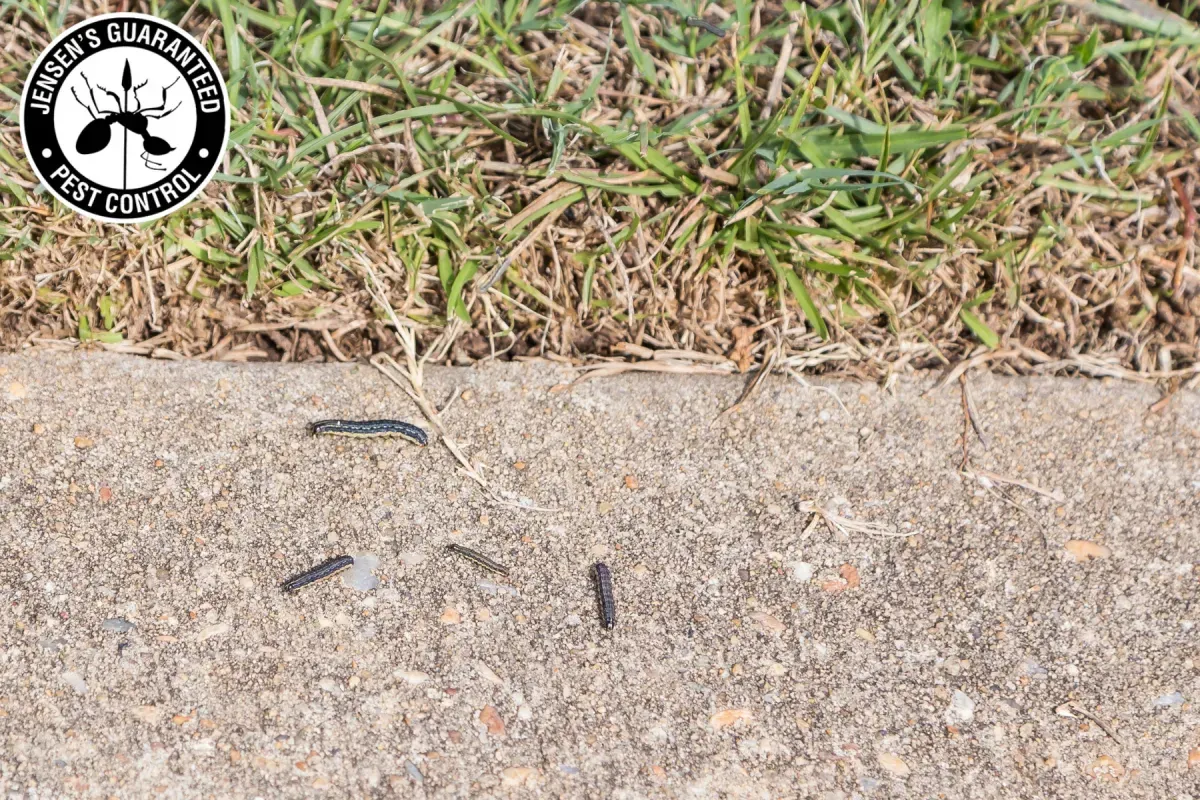
Some caterpillar larvae feed on grass blades and may be active at certain times of the day. Early signs can include feeding marks, thinning turf, or larvae found among the grass.
A close inspection can help identify the cause before the affected area grows. If the signs are unclear, a professional assessment can help distinguish insect damage from other lawn problems.
Ants, Mole Crickets, and Other Soil-Disrupting Pests
Some insects create mounds, tunnels, or raised areas of soil. Mole crickets can disturb soil and damage grass, while ants may leave small piles of soil around their nests.
Not every mound or tunnel indicates a harmful infestation. The important question is whether the activity is damaging the lawn and whether the pest requires control.
How Can You Inspect a Lawn Before Grass Damage Becomes Visible?
A simple inspection can help you spot potential problems before they become widespread. Follow these steps when you notice unusual insect activity or changes in your grass.
- Walk the entire lawn. Look for differences in grass growth, soil texture, insect activity, and areas that feel different underfoot.
- Inspect the grass blades and thatch. Look for insects, larvae, feeding marks, or other unusual signs.
- Check the roots and soil. Carefully examine a small section of suspicious turf for damaged roots, larvae, or loose grass.
- Compare healthy and affected areas. Consider whether watering, shade, foot traffic, or soil conditions could explain the differences.
- Record your findings. Note where the signs appear and whether they become more frequent or spread over time.
If you find suspected pests or repeated signs of root damage, consider arranging a professional inspection. In Herriman, seasonal pest activity and changing weather conditions can affect lawns, making it important to assess unusual symptoms instead of relying on a fixed treatment schedule.
How Can You Tell Pest Damage Apart From Other Lawn Problems?
Not every weak or discolored lawn needs pest treatment. Grass can struggle because of insufficient water, excess moisture, poor drainage, compacted soil, disease, or nutrient problems.
For example, grass that wilts during hot weather may need better watering, while turf that lifts easily could have damaged roots. Neither symptom alone confirms an infestation.
Look for several signs together. Finding larvae in the soil, observing insects feeding on grass, or seeing root damage consistent with a particular pest provides stronger evidence than brown patches alone.
When the cause remains unclear, a professional inspection can help identify the problem and determine the next step. This reduces the risk of unnecessary treatment and helps focus attention on the actual cause of the lawn’s condition.
When Is the Best Time to Check for Lawn Pests?
The best time to inspect a lawn depends on local conditions, grass type, and the pests common to the area. Some pests become more active during warmer months, while others are easier to detect at specific stages of their life cycles.
Check your lawn regularly during active growing periods, especially when you notice increased insect activity or unusual changes in grass health. After heavy rain, look for disturbed soil and drainage problems. During dry weather, check whether stressed grass is affected by moisture levels or possible pest activity.
Homeowners considering pest control in Herriman should account for seasonal pest patterns and the condition of their lawns. Regular monitoring can help identify concerns early, but treatment timing should depend on the pest involved and the inspection findings.
Debunking the Myth: Lawn Pest Control Is Only Needed After Grass Turns Brown
Waiting for brown patches before investigating a lawn can allow some pest problems to continue unnoticed. Root-feeding insects may damage grass beneath the surface, while other pests can feed gradually before the effects become easy to see.
However, early detection does not mean every insect requires treatment. Many insects are harmless or beneficial, and a single sighting does not necessarily indicate an infestation.
The better approach is to inspect the lawn, identify the organism involved, and assess the risk of damage. When pest activity is confirmed, pest control in Herriman, UT should be based on the pest species, the extent of the problem, and the condition of the lawn.
Applying Our Effective Treatments, Re-Sodding, and Extensive Reseeding to Solve This
At Jensen’s Guaranteed Pest Control, we focus on identifying lawn pest problems and recommending practical solutions based on the condition of the property. Effective treatments address confirmed pest activity, while re-sodding or extensive reseeding may help restore grass when damage has already occurred.
Effective Treatments Based on Inspection Findings
Effective lawn pest control starts with identifying the pest and determining whether its activity requires intervention. Our team can inspect signs of lawn pest activity and recommend an approach suited to the problem.
When treatment is necessary, the method should match the pest, the affected area, and the level of activity. Jensen’s Guaranteed Pest Control prioritizes environmentally friendly and safe pesticides where appropriate, along with clear guidance about the treatment process. The goal is to address the problem without applying treatments unnecessarily.
Re-Sodding When Grass Cannot Recover
Severe pest damage can leave areas of turf too weak to recover through routine lawn care. In these cases, re-sodding may be an option for replacing damaged grass with new turf.
Before installing new sod, it is important to identify and address the original cause of the damage. Replacing the grass without resolving an active infestation may leave the new turf vulnerable to the same problem. An assessment helps determine whether re-sodding is suitable and what preparation the area needs.
Extensive Reseeding to Restore Thin Areas
When grass has thinned, but the remaining lawn can support new growth, extensive reseeding may help restore coverage. The best approach depends on the amount of damage, grass variety, soil conditions, and time of year.
Reseeding alone will not solve an active pest problem. The underlying cause should be addressed first, followed by suitable soil preparation and grass establishment. This helps give new grass a better chance to grow and fill in affected areas.
Monitoring and Prevention After Treatment
After the problem has been addressed, monitoring helps determine whether pest activity has decreased and whether the grass is recovering. Proper watering, mowing, and other lawn care practices can support healthy growth, although they cannot prevent every pest problem.
Our team explains inspection findings, discusses suitable options, and helps homeowners understand the next steps. If you need an exterminator in Herriman, UT, Jensen’s Guaranteed Pest Control can help you make informed decisions about your lawn without guessing which treatment you need.
People Also Ask
Can Lawn Pests Be Present Before Grass Turns Brown?
Yes. Some lawn pests feed on roots or grass blades before obvious discoloration appears. Loose turf, unusual insect activity, and repeated animal digging can indicate a possible problem, but inspection is needed to confirm the cause.
What Are the First Signs of Lawn Grubs?
Possible signs include grass that lifts easily, weakened roots, and increased bird or animal activity as they search for food. Checking the soil for grubs can help confirm whether they are responsible.
How Often Should You Check Your Lawn for Pests?
Inspect your lawn regularly during active growing periods and whenever you notice unusual insect activity or changes in grass health. Monitor more closely when local pest activity is expected or when your lawn has experienced problems before.
Does Every Lawn Need Preventive Pest Control?
No. Not every lawn needs preventive treatment. Monitoring, local pest risks, inspection findings, and the likelihood of damage should guide whether treatment is appropriate.
Can Overwatering or Underwatering Look Like Pest Damage?
Yes. Both can cause grass to wilt, thin, or discolor. Checking soil moisture, drainage, roots, and signs of insect activity can help distinguish watering problems from possible pest damage.
Protect Your Lawn With Help From Jensen’s Guaranteed Pest Control
You do not have to wait until your lawn develops large brown patches to investigate a possible pest problem. Paying attention to early warning signs can help you understand what is happening and decide whether professional help is needed.
Jensen’s Guaranteed Pest Control provides personalized service with a focus on clear communication, dependable care, and customer satisfaction. If you suspect lawn pests or notice unusual changes in your yard, contact our team to request an inspection or quote. We will help you understand the available options and the next steps for your property.
Contact us today to learn more about our lawn pest control services and get guidance for keeping your lawn healthy.
