Mosquitoes keep returning after control treatments primarily because hidden breeding sites contain unhatched eggs, wind blows neighboring populations into treated yards, or heavy rainfall degrades protective barrier coatings. Standard sprays only neutralize active adults, leaving submerged larvae and unmanaged standing water vulnerable to repopulation within a few days without comprehensive source reduction and larvicide applications.
Few things ruin a pleasant evening on the patio faster than the high-pitched buzz of a mosquito. You schedule a yard treatment, enjoy a few days of peace, and then, like clockwork, the biting pests return. It can feel like an endless battle, leaving you wondering if a truly pest-free yard is even possible.
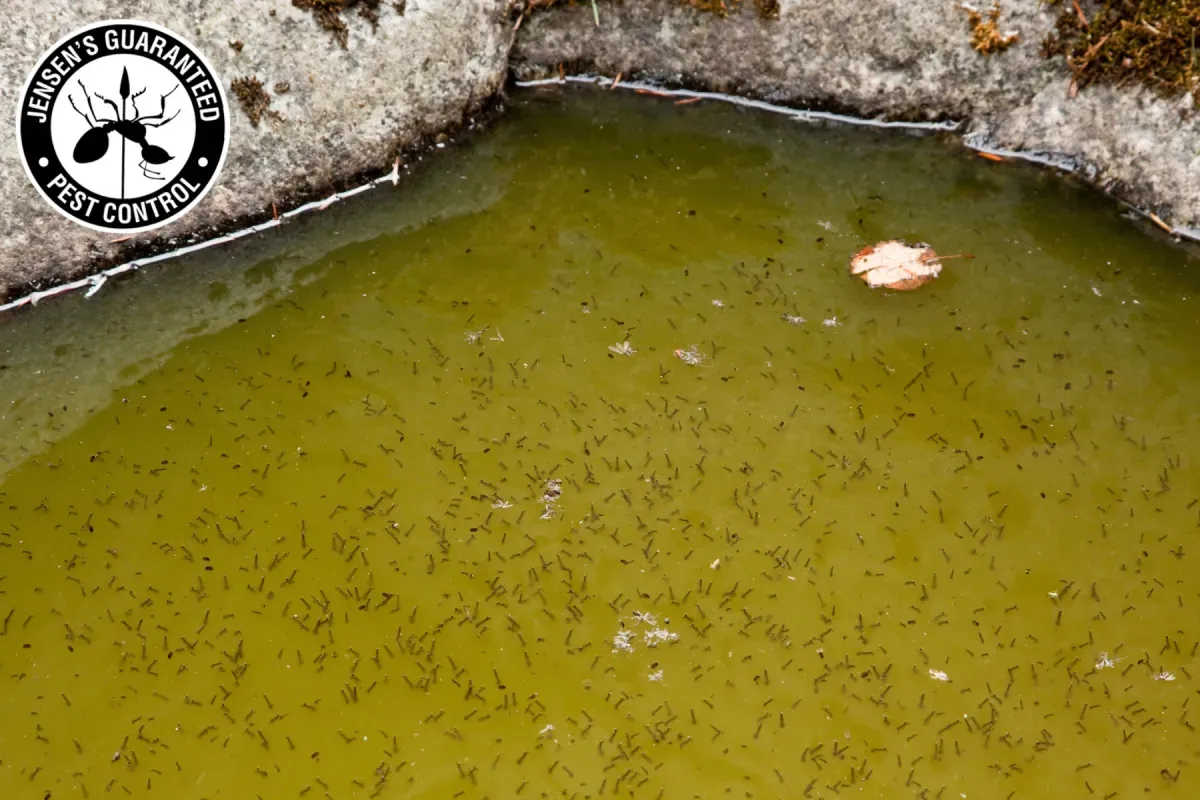
The reality is that mosquitoes are remarkably resilient insects. A single female can lay hundreds of eggs in a container as small as a bottle cap, and new adults can hatch in less than a week. When a treatment only targets the flying adults you see today, it leaves behind generations of unhatched eggs and hidden larvae ready to take their place tomorrow.
Understanding why mosquito populations bounce back helps you break the cycle. Here is an honest look at the environmental factors behind reinfestations, how professional pest control in Eagle Mountain, UT helps stop the cycle, and what it takes to protect your outdoor space for the long haul.
Causes of Reinfestation: Environmental Factors vs. Treatment Limitations
Comparing what standard sprays accomplish against the hidden environmental causes of mosquitoes highlights why quick DIY fixes often fall short over time.
During a property check for a homeowner, our team found that while the back lawn was treated, mosquitoes were rapidly breeding in small pockets of water collected inside an uncleaned gutter and under potted plant saucers. The flying adults were being knocked down, but fresh swarms were hatching just feet away every morning.
Here is how common environmental triggers cause returning pests and how targeted mosquito control solves them:
| Primary Driver | How It Triggers Reinfestation | Long-Term Solution Strategy |
| Hidden Standing Water | Eggs hatch in micro-water pockets like gutter debris and plant saucers | Automated larvicide dunking and thorough property drainage audits |
| Wind & Perimeter Migration | Wind carries adult mosquitoes from nearby untreated properties | Strategic perimeter barrier sprays and dense foliage treatments |
| Rainfall Chemical Dilution | Heavy rain washes away standard spray treatments prematurely | Advanced microencapsulated formulas that resist moisture breakdown |
| Dormant Egg Pockets | Eggs survive dry spells for months and hatch as soon as water returns | Direct application of Insect Growth Regulators (IGRs) to egg zones |
| Incomplete Canopy Reach | Basic sprays miss the undersides of dense leaves where adults rest | Deep-reaching fogging equipment for full leaf and shrub coverage |
The Cycle of Complete Mosquito Eradication and Prevention
Stopping mosquitoes for good requires a methodical approach that targets every stage of the insect’s life cycle, from egg to biting adult.
1. Comprehensive Water-Source Audit & Elimination:
Technicians inspect clogged gutters, tarps, tree hollows, French drains, and irrigation boxes. Dumping visible standing water and treating non-drainable reservoirs eliminates active breeding zones right away.
2. Targeted Microencapsulated Barrier Spray Application:
Technicians apply protective barriers to the undersides of dense foliage, shade trees, and shrub perimeters. Shaded structural zones beneath decks, eaves, and patio overhangs are also coated to neutralize resting adults.
3. Deploying Targeted Larvicide Applications:
Applying insect growth regulators and larvicides directly to potential water sites disrupts the molting process. This keeps aquatic larvae from maturing into biting adults, breaking the breeding cycle at its source.
4. Installing Perimeter Protection Barriers:
Strategic perimeter treatments along fence lines and property borders intercept migrating mosquitoes arriving from neighboring untreated yards before they reach your patio.
5. Routine Re-treatment Schedules & Post-Rain Audits:.
Reapplying protective barriers every 21 to 28 days maintains active defense through peak season. Follow-up visits after heavy weather ensure washed-away barrier zones are restored quickly.
Applying Our [Jensen’s Mosquito Defense System] to Solve This
At Jensen’s Guaranteed Pest Control, we believe in providing honest, reliable, and effective solutions backed by a personal touch. As a family-owned business with over 20 years of local expertise, we treat every customer like a neighbor, offering transparent, hassle-free service that gives you total peace of mind.
Here is how our proprietary [Jensen’s Mosquito Defense System] works to keep your yard protected:
- Advanced Mosquito Treatment Methods: We utilize advanced mosquito treatment methods that target mosquitoes at every stage of life, ensuring complete property coverage rather than temporary relief.
- Robust Mosquito Reduction Plan: Every property receives a robust mosquito reduction plan customized to its layout, foliage density, and water drainage points.
- Targeted Larvicide Application: We perform targeted larvicide application in standing water zones that cannot be drained, stopping young larvae from ever developing wings.
- Specialized Barrier Treatment: Our technicians apply a specialized barrier treatment to leaf undersides and shaded structures, creating a long-lasting protective shield that neutralizes adults on contact.
- Family-and-Pet-Friendly Products: We prioritize the health and comfort of your household by using family-and-pet-friendly products that deliver powerful pest protection while keeping your family safe.
- Our Bug-Free Guarantee: We stand behind our work with a no-charge return service promise. If mosquitoes return between scheduled visits, our team comes back to retreat your property at no extra cost.
- Neighborly Local Service: While performing routine pest control in Eagle Mountain, our technician noticed that water pooling under a neighbor’s dripping garden spigot was attracting swarms to our client’s porch. We treated the area and provided simple drainage advice, resolving the issue quickly.
Debunking the Myth: “A Single Yard Spray Kills All Mosquitoes and Their Eggs Permanently”
A widespread myth in lawn care is that one good yard spray should clear out mosquitoes for the rest of the summer.
Here is why that single-treatment mindset fails:
- Adult Sprays Do Not Kill Submerged Eggs: Adulticide sprays only affect flying insects caught in the mist or resting on treated leaves. They have zero impact on eggs submerged underwater or stuck to container walls.
- Mosquitoes Fly In from Next Door: Mosquitoes can easily travel up to three miles in search of food. Even if your yard is 100% clear, wind currents and open borders allow new pests from neighboring properties to move right in.
- Sunlight and Heat Break Down Treatments: Rain, humidity, and intense ultraviolet sunlight naturally degrade barrier treatments over three to four weeks, requiring regular touch-ups to maintain protection.
Technical Specifications & Feature Glossary
Understanding key pest control terms helps you choose the right care strategy for your property:
Microencapsulated Barrier Spray
A specialized treatment where active protective ingredients are enclosed in microscopic shells, shielding them from UV rays and rain for longer performance.
Insect Growth Regulator (IGR)
A compound that mimics natural insect hormones, preventing mosquito larvae from successfully developing into adult biting insects.
Larvicide (BTI)
A naturally occurring soil bacterium (Bacillus thuringiensis israelensis) that targets mosquito larvae in standing water without harming birds, pets, or beneficial pollinators.
Source Reduction
The physical draining, cleaning, or eliminating of standing water sites to permanently destroy breeding habitats.
People Also Ask (FAQ)
Why do I still see mosquitoes a few days after my yard was treated?
Post-treatment mosquitoes are usually newly hatched adults emerging from hidden water pockets that were missed, or wind-blown migrants arriving from neighboring untreated yards.
How often should professional mosquito control treatments be applied?
Professional treatments should be applied every 21 to 28 days throughout the warm season. Regular visits ensure protective barriers stay strong before product effectiveness naturally wears off.
Can rain wash away my mosquito treatment right after it is applied?
Once a barrier treatment has had 30 to 60 minutes to dry completely, modern formulas bind firmly to foliage and will not wash away in light to moderate rain.
When should I call an exterminator?
If standing water is common near your yard or you cannot enjoy your patio without getting bitten, contact a specialist. Working with an experienced exterminator ensures early breeding sites are cleared before summer swarms grow out of hand.
Protect Your Outdoor Spaces with a Trusted Local Partner
Chasing returning mosquitoes with store-bought cans or temporary foggers leaves your family trapped in a cycle of bug bites and frustration. True relief comes from treating hidden water sources, protecting perimeter foliage, and breaking the breeding cycle at its core.
At Jensen’s Guaranteed Pest Control, we bring over 20 years of local expertise to every property we serve. As a family-owned team serving Northern Utah, we take pride in offering clear communication, friendly service, and reliable protection. Guided by our customer-first values, we stand behind every service with our Bug-Free Guarantee, giving you complete confidence in your home’s care.
If you need comprehensive Eagle Mountain pest control or specialized yard treatments, our local technicians are ready to assist.
Ready to take back your yard and enjoy comfortable, sting-free outdoor living? Contact us today to request a free quote and schedule an inspection with our local team!


