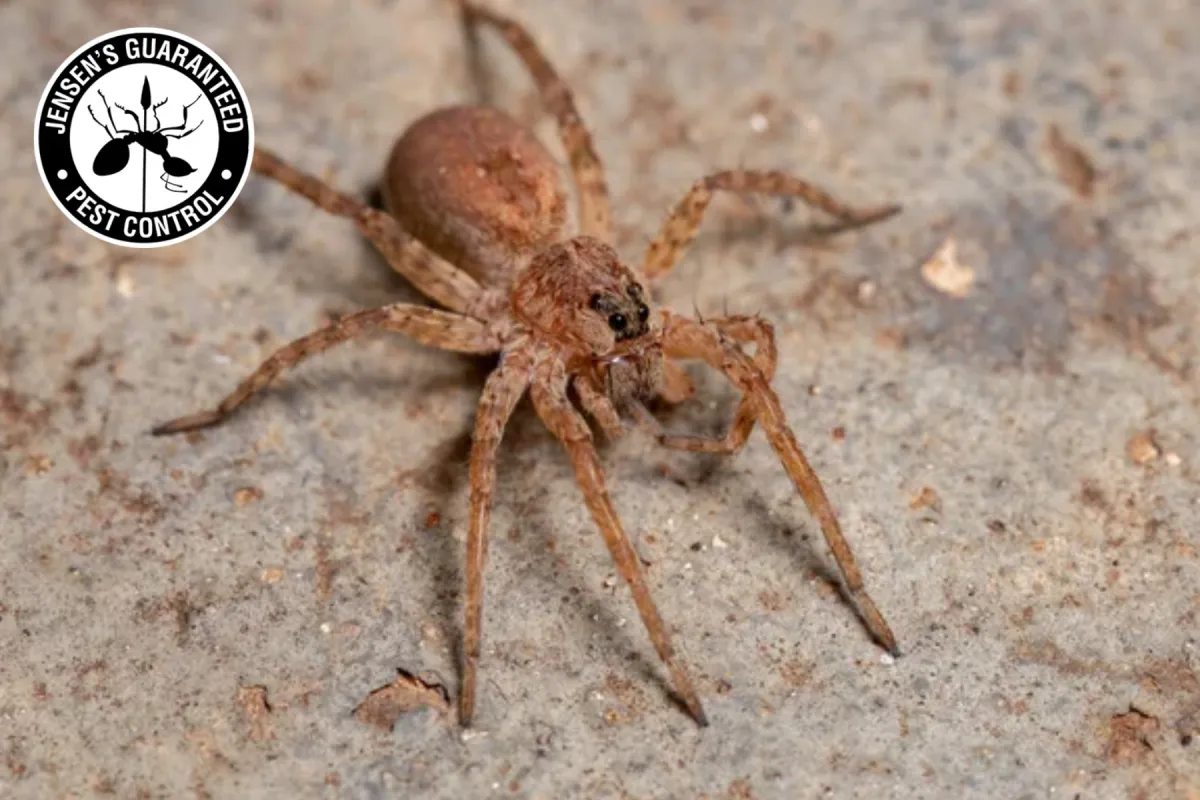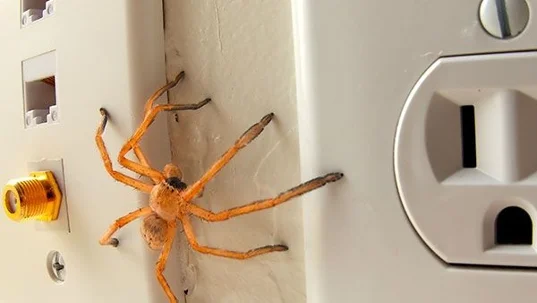

To get rid of spiders permanently, you need more than a quick spray treatment. They usually enter homes because they have easy access through cracks, gaps, vents, and other small openings, and they stay when there is a steady supply of insects to hunt. A long-term solution requires removing existing indoor activity, sealing physical entry points, reducing cluttered hiding areas, and controlling the pests they feed on. By combining structural exclusion with targeted pest management, you can break the food chain that attracts and help keep them from returning to your living spaces.
The Core Elements of Long-Term Spider Control
Eliminating an active infestation requires looking at your home as a complete structural environment. Many homeowners rely on quick retail sprays or mechanical traps, but these methods only address individual pests on contact. Lasting spider control requires identifying the root environmental factors that attract these arachnids to your interior spaces in the first place.
Spiders enter buildings primarily to find shelter and a reliable food source. When outdoor temperatures fluctuate or heavy rains oversaturate the soil, arachnids migrate through gaps under doors, unsealed utility lines, and damaged vents. Once inside, they will establish permanent harborages if they find an active population of secondary nuisances like ants, beetles, or flies. Property owners seeking reliable pest control in Pleasant Grove must target both the apex arachnids and their underlying insect food supply to prevent re-infestation.
Treatment Methodology Comparison Matrix
| Mitigation Method | Immediate Effectiveness | Long-Term Prevention Value | Impact on Secondary Pests | Primary Vulnerability |
| Structural Exclusion | Low (Requires physical installation) | Outstanding (Blocks entry) | High (Prevents all insect entry) | Meticulous attention to gaps around trim is essential. |
| Prey Source Elimination | Moderate (Requires a biological shift) | High (Starves the population) | Outstanding (Clears baseline bugs) | Requires persistent sanitation and moisture control. |
| Chemical Barriers | High (Immediate knockdown) | Moderate (Degrades from UV/rain) | High (Kills crawling insects) | Spiders walk above residual layers due to long limbs. |
| Natural Repellents | Moderate (Scent deterrent) | Low (Evaporates rapidly) | Low (Highly species-specific) | Requires continuous, manual reapplication. |
Step-by-Step Spider Eradication and Prevention Process
- Comprehensive Interior Inspection: Examine crawlspaces, dark corners, floor joists, and undisturbed storage zones to pinpoint active hunting grounds and web locations.
- Mechanical Mechanical Deconstruction: Utilize specialized vacuum attachments to physically remove live specimens, active webs, and hidden egg sacs to halt the reproductive cycle immediately.
- Structural Exclusion Practices: Apply exterior-grade silicone-latex caulk to gaps in siding, repair worn window screens, and install heavy-duty weather stripping beneath entry doors.
- Prey Source Mitigation: Secure all indoor waste bins, repair plumbing leaks that attract moisture-loving insects, and swap out bright white porch lights for yellow LED bulbs that do not draw night-flying insects.
- Exterior Perimeter Barrier Application: Establish a continuous protective perimeter along the foundation and roof eaves to intercept traveling arachnids before they breach the envelope.
Technical Specifications of Spider Harborage and Behavior
Understanding the distinct biological and behavioral traits of arachnids is essential for developing an effective spider control strategy. Unlike common insects, they move, hide, hunt, and respond to treatments differently, so a basic pest spray is often not enough. Their long legs keep much of their body elevated above treated surfaces, while their webbing habits, secluded nesting areas, and reliance on live prey require a more targeted approach. By knowing how they behave and where they are most likely to settle, pest control efforts can be applied more accurately and deliver longer-lasting results.
- Prey Dependency: Spiders are obligate carnivores. Their indoor presence serves as a direct indicator of an underlying insect population; if you systematically remove the smaller pests, it will naturally die off or migrate outward.
- Tarsal Contact Limitations: Insects frequently groom their mouthparts with their legs, thereby ingesting chemical residues left on baseboards. It walks high on the tips of its legs (tarsi) and does not ingest surface chemicals through grooming, making physical exclusion methods paramount.
- Harborage Vectors: These define the specific structural pathways spiders use to enter a home. Common vectors include unsealed weep holes in brick siding, clear paths through crawlspace vents, and hollow spaces behind exterior window trim.
- Egg Sac Proliferation: A single female spider can produce an egg sac containing hundreds of viable eggs. Leaving these sacs undisturbed in quiet spaces like attics or wall voids can cause an indoor population spike within weeks, which is why securing professional pest control in Pleasant Grove, UT, is necessary to protect your home’s structural integrity.
Technical Project Delivery and Execution Standards
When dealing with a persistent spider infestation, you need a team that handles your property with precision and care. At Jensen’s Guaranteed Pest Control, our family-owned business brings over 20 years of local expertise to every single property. We do not use rushed, generic treatments that leave hidden bugs behind. Instead, our technicians follow the appropriate protocols for safe and complete removal, ensuring your home is clean, comfortable, and protected.
Our process begins with a highly detailed inspection of your entire property. We check the quietest, darkest areas of your basement, attic, and foundation walls to locate active web networks, hidden egg sacs, and the precise entry pathways spiders use to gain access. Once we map out the extent of the infestation, we build a customized treatment plan tailored directly to your home’s unique layout. This plan focuses on reducing active adult populations while using targeted, environmentally safe methods to eliminate secondary insects that serve as their food source.
The final step in ensuring long-term success is our comprehensive exterior treatment. Our crews apply a durable protective barrier around your outer foundation walls, in treatment zones near utilities, and under roof eaves where spiders build webs. This outer layer prevents migrating pests from breaching your home as weather conditions change. We treat every customer like a neighbor, offering transparent, hassle-free service backed by our signature personal touch.
Debunking the Myth: Do Standard Chemical Sprays Provide a Permanent Solution?
A common misunderstanding among property owners is that simply spraying a liquid chemical barrier along baseboards will permanently solve a pest problem. Many people assume these products create an invisible shield that instantly kills any insect that crosses it, but spiders and other pests often avoid treated areas, hide in wall voids, or enter through cracks, vents, utility gaps, and other small openings. Surface sprays may reduce visible activity for a short time, but they do not fix the conditions attracting pests in the first place. Without sealing entry points, removing webs and egg sacs, reducing clutter, and controlling the insects that feed on it, the problem is likely to return. A lasting solution requires a complete strategy that combines targeted treatment, structural exclusion, and ongoing prevention.
Because spiders keep their bodies elevated off the ground as they walk, they rarely absorb lethal doses from dry, residual liquid barriers. Furthermore, since they do not ingest surface material through grooming, they can easily bypass a routine spray. To get real results, you need a knowledgeable exterminator in Pleasant Grove, UT who combines targeted treatments with physical exclusion, such as sealing structural cracks and eliminating hunting insects, to keep your home clear in the long term.
People Also Ask
Why am I seeing a sudden increase in spiders indoors during the fall?
During the autumn months, mature males actively wander indoors in search of mates. Additionally, dropping outdoor temperatures prompt females to seek quiet, warm indoor microclimates to shelter and deposit their winter egg sacs.
Can high-strength peppermint oil actually deter spiders from entering?
Yes, concentrated peppermint oil contains natural volatile compounds that can irritate the highly sensitive chemical receptors in the nose. While effective as a temporary deterrent around window frames and doorways, it evaporates quickly and must be paired with physical sealing for long-term protection.
How do I stop spiders from building webs on my porch and around outdoor lights?
Outdoor lights attract night-flying insects such as moths and midges, creating a rich hunting ground. Switching your exterior light bulbs to yellow LED or sodium vapor options will reduce insect attraction, forcing them to move their webs away from your entryways.
Professional Pest Management Backed by a Guarantee
A home free of bugs requires more than a quick treatment. It takes detailed inspections, thorough structural sealing, and regular maintenance to prevent pests from returning. Jensen’s Guaranteed Pest Control provides organized, professional solutions that target existing activity, close off common entry points, and help protect your family with long-term pest prevention.
We maintain a transparent, customer-first approach with no hidden fees and no rushed timelines. Every service we perform is backed by our signature “Bug-Free Guarantee.” If pests return between your regularly scheduled visits, our team will return and retreat your home at absolutely no extra charge. We treat your living space with the same care and respect we would show our own homes, ensuring a smooth, dependable experience from start to finish.
Ready to protect your property with a reliable, long-term solution? Learn more about our comprehensive treatments and connect with our team. Contact us today to request an inspection and let us help you maintain a clean, pest-free environment.